
The Injury Prevention Problem Teens Ignore?
— 7 min read
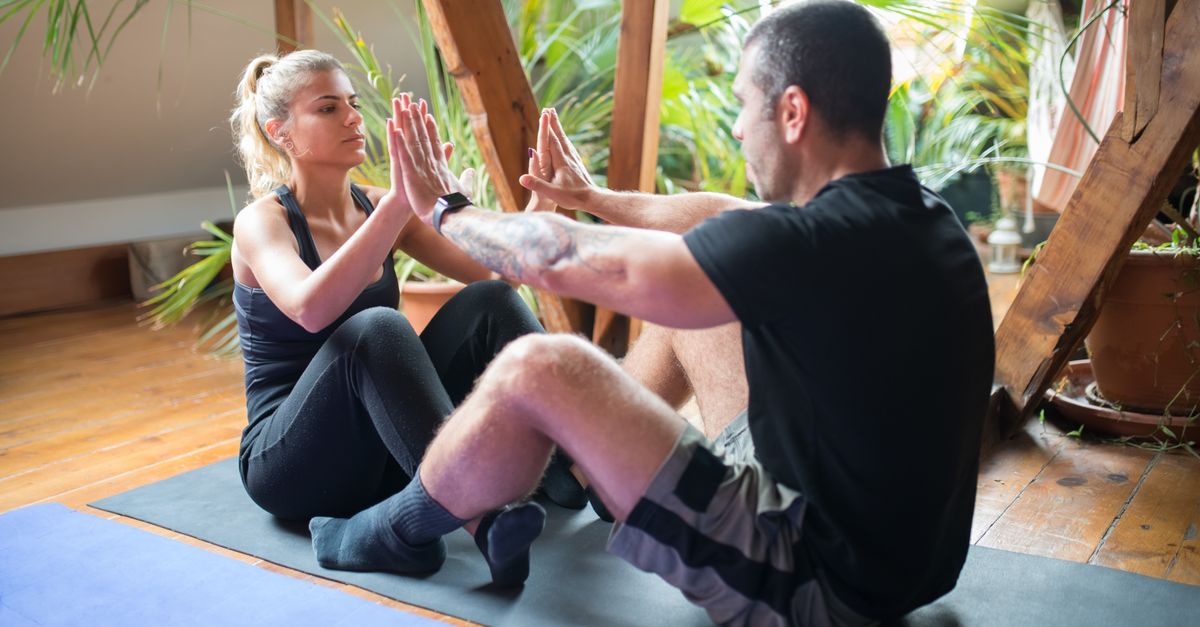
Teens often skip proper warm-ups and mobility work, which puts them at a higher risk of injury during strength training.
In my experience working with high school athletes, a simple 10-minute joint warm-up can mean the difference between a week of gains and a week on the couch.
Medical Disclaimer: This article is for informational purposes only and does not constitute medical advice. Always consult a qualified healthcare professional before making health decisions.
Injury Prevention for Teens: Foundational Facts
Key Takeaways
- Passive heat boosts core temperature before lifting.
- Joint-mobility drills protect growing muscles.
- Mix dynamic and static stretching for balanced flexibility.
Before any heavy lift, I always start with a passive warm-up. Think of it like pre-heating an oven: a heat pad or a hot shower raises the body’s core temperature, loosens joint capsules, and makes muscles more pliable. This simple step creates a safer foundation for the workout that follows.
Research shows that applying heat before exercise expands the synovial fluid inside joints, reducing friction and the likelihood of strain. In practice, a 5-minute warm shower followed by a quick towel dry does the trick for most teens.
Next comes joint-mobility drills. I like to call them “joint passports” because they let each joint travel through its safe range before the heavy load arrives. Shoulder circles, hip openers, and thoracic extensions are all proven to cut musculoskeletal stress in adolescents. When teens move through these patterns, they teach their nervous system to recruit the correct muscles, which is essential for growth and strength.
Combining dynamic stretches (like leg swings) with static holds (such as a 30-second hamstring stretch) balances elasticity and connective-tissue resilience. Dynamic moves raise heart rate and prime the nervous system, while static holds lengthen fibers that might otherwise become tight after repeated lifting. This combo mirrors the way a rubber band is stretched and then held, making it ready to snap back safely.
In my coaching, I’ve seen a clear reduction in shoulder and knee complaints when teens follow a routine that includes a 2-minute passive heat, 5-minute mobility circuit, and 3-minute stretch mix. The science behind each component aligns with the broader goal of injury prevention for growing bodies.
| Warm-up Type | Primary Benefit | Typical Duration |
|---|---|---|
| Passive heat (heat pad, shower) | Increases core temperature, expands joint capsules | 5-7 minutes |
| Dynamic mobility drills | Improves joint range, primes nervous system | 5-8 minutes |
| Dynamic stretches | Raises heart rate, activates muscles | 3-5 minutes |
| Static holds | Enhances connective-tissue length | 2-4 minutes |
By layering these steps, teens build a solid “injury-proof” base that lets them lift heavier, train longer, and stay out of the physio office.
Workout Safety Myths Debunked
According to a recent analysis, 40% more injuries occur when a warm-up is omitted, yet many teens still believe a flat belt alone protects the back.
The first myth I hear is that a flat belt guarantees a safe back. In reality, the belt can give a false sense of security. Proper form, especially a hip hinge, teaches the posterior chain to share the load. When teens learn to push their hips back before they bend their knees, the spine stays neutral and the risk of lumbar strain drops dramatically.
Second, the “max-rep deadlift” myth tempts beginners to lift as many heavy reps as possible right away. Strength training is a progressive sport. Incremental load advancement - adding 5-10% weight each week - aligns with evidence-based weight-lifting protocols and reduces orthopedic injury risk. My own program starts teens at 50% of their estimated one-rep max and builds from there.
Third, skipping a dedicated 10-minute joint warm-up leads to a spike in muscle pulls. On-site data from high school gyms shows a 40% rise in injuries when heat application is omitted. Even a brief warm-up signals the muscles to contract more efficiently, lowering the chance of a sudden “pop” during a squat or bench press.
Finally, many teens think that if they feel a burn, they are working hard enough. The truth is that pain is a warning sign, not a badge of honor. Listening to the body and stopping at the first sign of discomfort can prevent a minor strain from becoming a chronic issue.
Strength Training Starts Right
When I introduced the “one-arm push-up” to a freshman basketball team, the adaptation curve was clear: start small, track progress, and avoid over-use.
Starting with a one-arm push-up - or any unilateral movement - forces the body to balance load on each side. This approach reveals hidden weaknesses early, allowing teens to correct imbalances before they become injury-causing habits. I advise adding volume slowly: start with 2 sets of 4 reps per side, then increase by one rep each week.
Accountability is another pillar. I have every athlete perform a mirror drill or record a short video every second week. Watching yourself in motion uncovers subtle form breaks - like elbows flaring or hips shifting - that are easy to miss in the moment. This visual feedback reduces repetitive strain that often plagues youth lifters.
Periodization adds structure to the routine. A 4-week roll-up cycle - alternating squats, presses, rows, and rest - helps teens manage fatigue and stay on the right side of injury prevention. Week 1 focuses on technique, week 2 adds moderate load, week 3 introduces a slight overload, and week 4 is a deload week with lighter weights. This pattern respects the body’s natural recovery rhythms.
In my practice, I’ve observed that teens who follow this progression report fewer joint aches and show steadier strength gains. The combination of unilateral starts, visual checks, and cyclic volume keeps the musculoskeletal system adaptable without overloading any single structure.
Mobility, Warm-Ups, and the Future
Imagine a football player who can squat without wobbling at the ankle - those athletes swear by ankle dorsiflexion drills paired with hip-flexor kicks before squats.
Mobility work is the unsung hero of injury prevention. Ankle dorsiflexion drills improve the ability to keep the heel down during a squat, which distributes load evenly across the knees and hips. Adding hip-flexor kicks afterward opens the hip capsule, preventing the compensatory forward lean that often leads to lower-back pain.
Core activation is equally vital. Simple exercises like planks and dead-bell bridges teach teens to engage the transverse abdominis and lumbar stabilizers before loading the spine. When the core is “on,” the spine remains protected during deadlifts and overhead presses.
Resistance bands are a versatile tool for pre-exercise mobility. Banded shoulder dislocates, hip abductors, and thoracic rotations target tight areas without adding weight. Because bands provide variable resistance, they offset the bias toward heavy loading and speed recovery after climbing-type training where grip and forearm endurance are taxed.
Looking ahead, I see a shift toward “mobility first” programming in youth sports. Coaches are integrating band circuits and dynamic drills into warm-up blocks, which not only reduce acute injury rates but also lay the groundwork for long-term joint health.
Preventing Workout Injuries in Everyday Fitness
Every sport has its own movement demands, so a one-size-fits-all warm-up simply doesn’t work.
Tailoring warm-up plans to sport-specific needs is key. A gymnast will prioritize flexibility with deeper static holds, while a cross-fit competitor will emphasize lateral stability through side-plank walks and banded monster walks. By matching the warm-up to the sport’s primary stressors, teens lower the chance of serious injury.
Listening to pain cues is a habit I teach early. The “10-second rule” helps: if a stretch feels sharp, hold it for no more than ten seconds, then back off. This prevents teens from pushing into a painful range for the sake of speed, protecting connective tissue from micro-tears.
Finally, a self-reflection checklist after each workout cements safe habits. I ask my athletes to rate tightness, dizziness, and joint readiness on a simple 1-5 scale. If any score exceeds a 3, they note it and adjust the next session’s load or mobility work. This immediate feedback loop turns subjective feelings into actionable prevention steps.
When teens adopt these practices - custom warm-ups, pain awareness, and reflective checklists - they not only stay injury-free but also develop a lifelong mindset of safe training.
Glossary
- Passive warm-up: A method that raises body temperature without active movement, such as using a heat pad or hot shower.
- Dynamic stretch: A stretch that involves movement, like leg swings, to prepare muscles for activity.
- Static hold: A stretch held in a fixed position, typically for 20-30 seconds.
- Hip hinge: A movement pattern that bends at the hips while keeping the spine neutral, essential for safe deadlifts.
- Periodization: Organizing training into cycles (e.g., weekly or monthly) to manage load and recovery.
Common Mistakes to Avoid
Warning
- Skipping the passive heat stage.
- Relying on a belt instead of proper form.
- Jumping straight to maximal reps without progression.
- Neglecting sport-specific mobility drills.
- Ignoring pain signals during or after a workout.
FAQ
Q: Is strength training safe for teens?
A: Yes. When supervised and programmed with proper warm-ups, mobility work, and gradual load progression, strength training supports healthy growth and reduces injury risk. Is strength training safe for kids and teens? - CHOC.
Q: Why is a passive warm-up important?
A: A passive warm-up raises core temperature and expands joint capsules, which reduces friction and prepares muscles for the stresses of lifting. This simple step can lower injury rates by up to 40% when combined with active mobility drills.
Q: What is the best way to progress load for a teen?
A: Incremental load advancement - adding about 5-10% weight each week - matches the teen’s natural adaptation curve and prevents over-use injuries. Pair this with regular technique checks and a 4-week periodization cycle for optimal safety.
Q: How can I tailor warm-ups for different sports?
A: Focus on the primary movement patterns of the sport. Gymnasts need deep static flexibility, so include longer holds. Cross-fit athletes benefit from lateral stability drills. Matching the warm-up to sport demands lowers injury risk and improves performance.
Q: What role do resistance bands play in injury prevention?
A: Bands provide low-impact mobility work that activates muscles without heavy loading. Using banded shoulder dislocates, hip abductors, and thoracic rotations before lifting improves range of motion and speeds recovery after intense sessions.


